Modern Agriculture Techniques: A Complete Guide to Smarter, More Profitable Farming

Agriculture has never stood still. From the moment early civilizations traded foraging for planting seeds, humanity has been on a relentless quest to grow more food, more efficiently, on less land. However, the pace of change in the last two decades has been extraordinary. Today, modern agriculture techniques are reshaping every dimension of farming, from the way seeds are planted and crops are irrigated to how livestock are managed and harvests are brought to market. Whether you are a smallholder farmer looking for practical steps to increase your yield, an agriculture student exploring the frontiers of food science, or a business owner evaluating where to invest in the agri-food sector, the transformation underway is impossible to ignore.
What Are Modern Agriculture Techniques?
Before diving into specifics, it helps to anchor the conversation. What are modern agriculture techniques, exactly? In the broadest sense, they are any practices, tools, or systems that move farming beyond traditional, labor-intensive methods toward approaches that are more productive, more sustainable, and more data-driven. Consequently, that definition is deliberately wide because the field itself is wide. Modern crop cultivation techniques range from advanced seed genetics and biotechnology in farming to satellite-guided tractors and farm management software that can monitor thousands of acres from a single dashboard.
What unites these diverse approaches is a shared philosophy: use knowledge, data, and technology to make better decisions at every stage of the crop or livestock cycle. For instance, instead of applying the same amount of fertilizer across an entire field, precision farming methods allow a farmer to vary application rates meter by meter based on soil nutrient maps. Similarly, instead of guessing when a herd needs veterinary attention, modern livestock management techniques use sensors and wearable devices to track animal health in real time. The goal is never technology for its own sake, it is technology in service of better outcomes for farmers, consumers, and the planet.
How Modern Technology Is Changing Agriculture
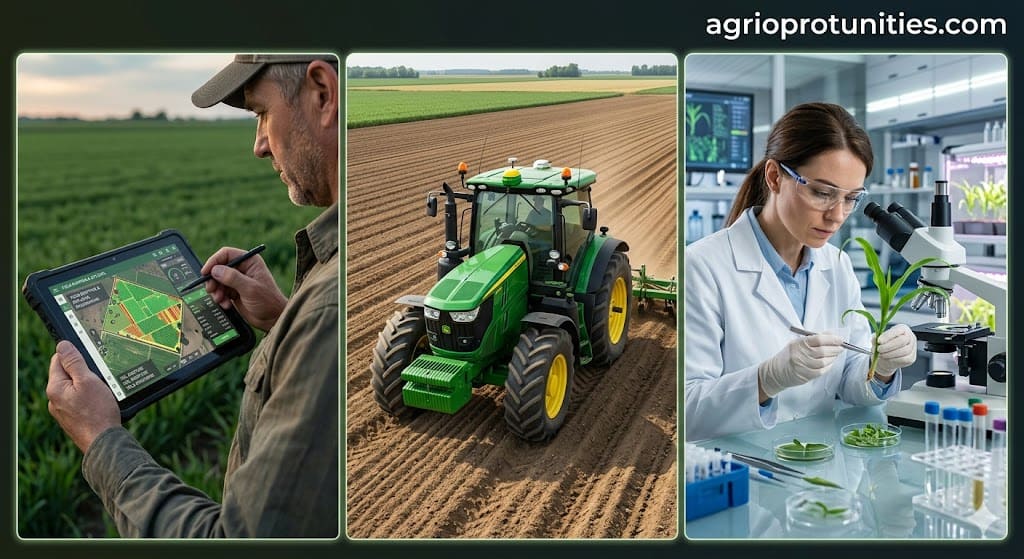
The forces reshaping farming are converging from several directions at once, and understanding how technology is changing agriculture requires looking at the full picture.
1. The Data Revolution
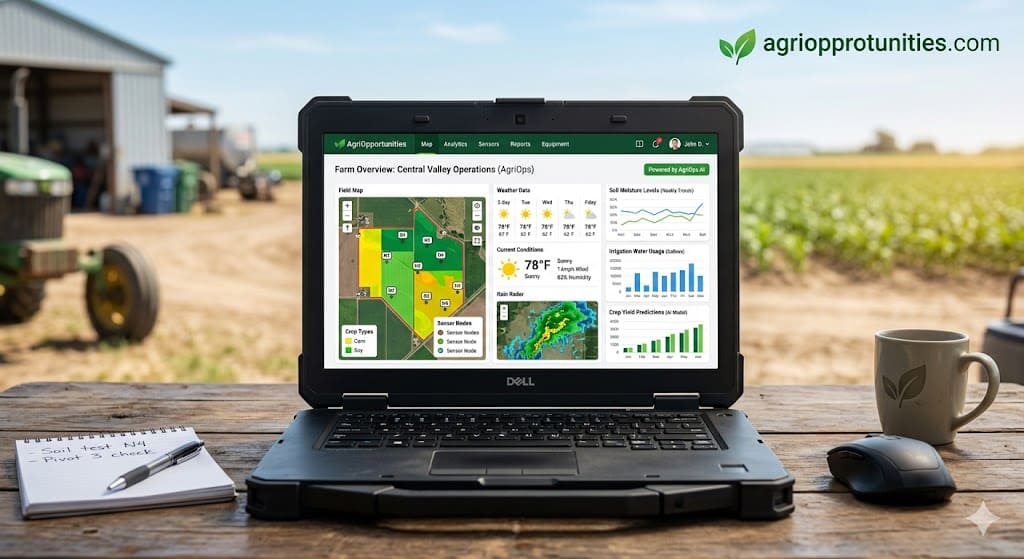
First, there is the data revolution. Digital agriculture tools, including GPS mapping, remote sensing, soil probes, weather stations, and cloud-based analytics, have given farmers access to an unprecedented volume of information about their land. A generation ago, a farmer might rely on intuition, almanacs, and a handful of soil tests per season. Today, farm management software platforms aggregate real-time data from dozens of sources, delivering recommendations on planting dates, irrigation schedules, pest management, and harvest timing that are tailored down to the individual plot.
2. The Automation Revolution
Second, there is the automation revolution. Mechanized agriculture methods are nothing new, the tractor replaced the horse more than a century ago, but the current wave of automated farm equipment goes far beyond simple mechanization. Self-driving tractors, robotic weeders, automated milking systems, and drone-based sprayers are reducing the need for manual labor while simultaneously improving accuracy. In many developed markets, labor shortages are one of the single biggest constraints on farm productivity, and automation is proving to be the most practical solution.
3. The Biological Revolution
Third, there is the biological revolution. Biotechnology in farming now encompasses everything from genetically modified organisms (GMOs) engineered for drought tolerance to microbial seed coatings that enhance nutrient uptake. Moreover, CRISPR gene-editing tools enable researchers to develop crop varieties that resist specific diseases without introducing foreign DNA, a development that blurs the old lines between conventional and organic breeding.
4. The Convergence of Technologies
These three currents, data, automation, and biology, are not operating in isolation. In fact, the most innovative agricultural technologies tend to sit at the intersection of all three. For example, a precision planter uses GPS data to position each seed at the optimal depth and spacing (data), mounts on an autonomous vehicle (automation), and may plant a biotech seed variety designed for the specific soil and climate profile of that field (biology). Thus, this convergence makes the current era so different from anything that came before.
Precision Farming Methods: The Foundation of Modern Agriculture Techniques
If there is a single concept that defines the modern farming era, it is precision agriculture. How to implement precision farming is one of the most commonly searched questions among both new and experienced growers, and for good reason: precision farming methods deliver measurable improvements in yield, input efficiency, and environmental performance.For a deeper understanding of how precision agriculture integrates with modern farming operations, you can explore this comprehensive guide to precision agriculture technologies, benefits, and ROI.
1. Core Principles of Precision Agriculture
At its core, precision farming applies the right input, in the right amount, at the right place, at the right time. The tools that make this possible include GPS-guided machinery, variable-rate application technology, soil and crop sensors, satellite and drone imagery, and data analytics platforms. Together, these tools allow farmers to treat each section of a field as a unique management zone rather than applying a blanket approach across the board.
2. Variable-Rate Technology in Action
Consider fertilizer management. Conventional practice might call for a uniform application of nitrogen across an entire wheat field. Precision farming begins with detailed soil sampling or sensor-based mapping to identify zones where nitrogen levels are already adequate and zones where they are deficient. Subsequently, a variable-rate spreader adjusts its output in real time as it moves across the field, applying more fertilizer where it is needed and less where it is not. As a result, farmers use less total fertilizer, reduce runoff into waterways, and, because crops in deficient zones receive exactly what they need, achieve higher overall yields. Studies from around the world have documented input savings of 10 to 20 percent with no loss in production, and in many cases, meaningful yield gains on top of those savings.
3. The Role of Drones
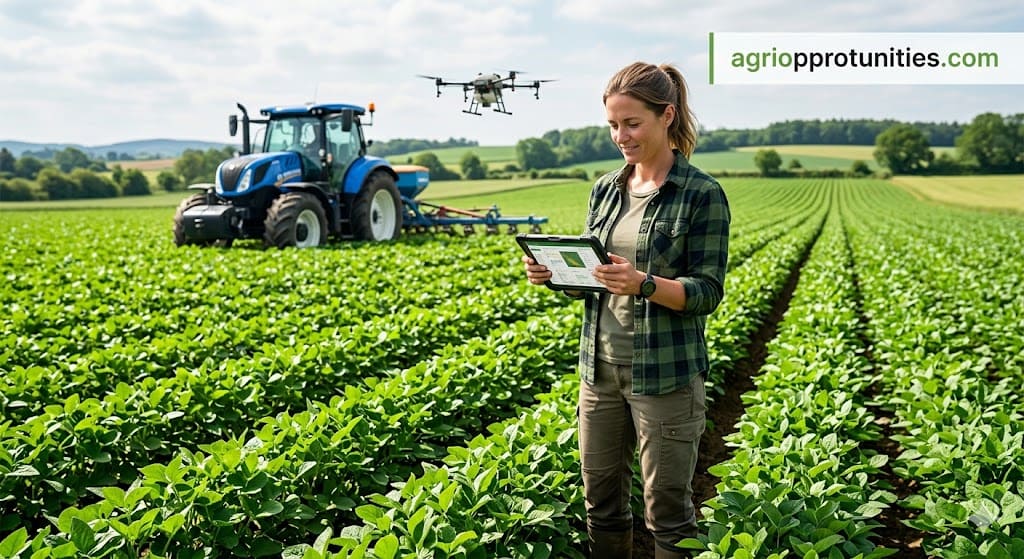
Drones in agriculture have become one of the most visible symbols of this precision approach. Equipped with multispectral cameras, drones capture detailed images of crop canopies that reveal stress, disease, or nutrient deficiencies invisible to the naked eye. How drones improve agriculture efficiency is a question with a straightforward answer: they cover ground faster and more frequently than any human scout, allowing problems to be detected and addressed before they spread. Therefore, for large-scale operations, drone-based surveillance can pay for itself within a single season by catching issues early. Likewise, for smallholders, cooperative drone-sharing arrangements make the technology accessible at a fraction of the individual ownership cost.
Modern Irrigation Techniques Explained
Water is the lifeblood of agriculture, and in an era of increasing water scarcity, modern irrigation techniques explained in clear, practical terms matter more than ever. Traditional flood irrigation, where water simply flows across a field, can waste 40 to 60 percent of the water applied through evaporation, runoff, and deep percolation. However, modern alternatives dramatically reduce that waste.
1. Drip Irrigation Systems
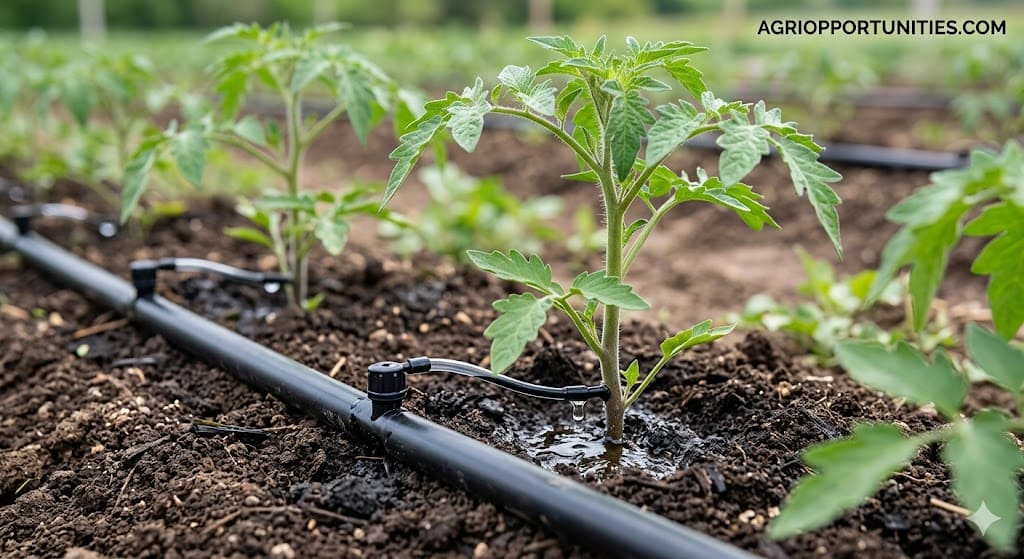
Drip irrigation systems deliver water directly to the root zone of each plant through a network of tubes, pipes, and emitters. Because water flows slowly and precisely, drip systems achieve application efficiencies of 90 to 95 percent, compared with 50 to 70 percent for flood irrigation. Consequently, for high-value crops like fruits, vegetables, and spices, drip irrigation now stands as standard practice in most advanced farming regions. Additionally, these systems can serve as a delivery mechanism for fertigation, the practice of dissolving fertilizers in irrigation water so that nutrients reach the root zone at the same time as moisture, further improving efficiency.
2. Advanced Irrigation Technologies
Beyond drip, other modern irrigation approaches include center-pivot sprinkler systems equipped with GPS and soil-moisture sensors that adjust application rates in real time, subsurface drip irrigation that places emitter lines below the soil surface to minimize evaporation, and deficit irrigation strategies that deliberately apply less water than a crop’s full requirement during non-critical growth stages, saving water without significantly reducing yields. Thus, sustainable agriculture techniques for arid regions increasingly rely on combinations of these methods, paired with soil health management practices like mulching and cover cropping that improve the soil’s water-holding capacity.
Soilless Farming: Hydroponics, Aeroponics, and Vertical Farming Techniques
Not all modern crop cultivation techniques depend on soil at all. Hydroponics, the practice of growing plants in nutrient-rich water solutions without soil, has moved from a niche curiosity to a commercially significant industry. Hydroponic systems produce yields several times higher per square meter than field agriculture, use up to 90 percent less water, and operate year-round in controlled environments regardless of outdoor weather conditions. For example, leafy greens, herbs, strawberries, and tomatoes are among the crops most commonly grown hydroponically, though researchers are steadily expanding the list.
1. Understanding Aeroponics
Aeroponics takes the concept a step further by suspending plant roots in air and misting them with nutrient solution at regular intervals. Because roots have maximum exposure to oxygen, aeroponic systems accelerate growth rates even beyond hydroponic benchmarks. Notably, NASA has studied aeroponics as a potential method for growing food in space, a testament to the efficiency of the approach.
2. Vertical Farming and Urban Agriculture
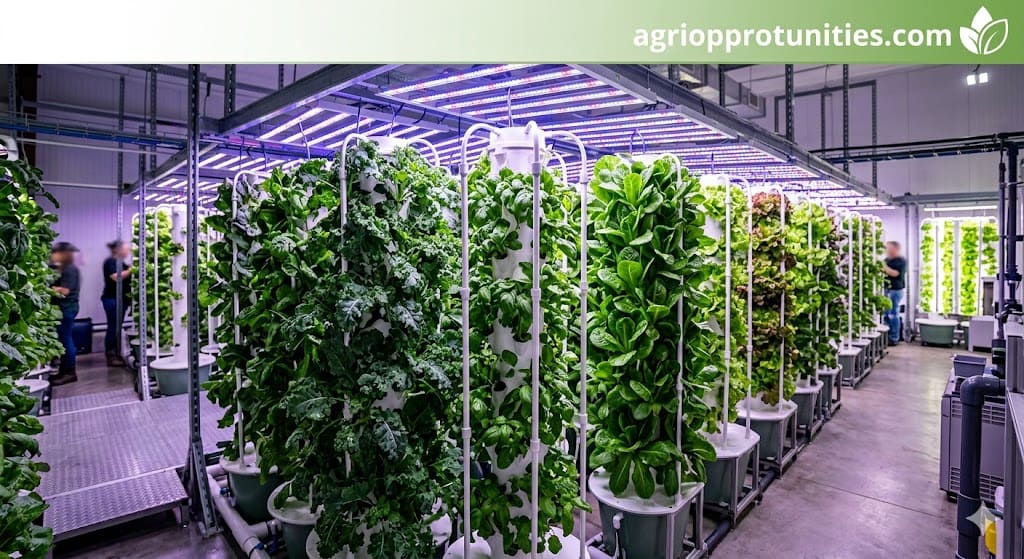
Vertical farming techniques combine hydroponics or aeroponics with stacked growing layers inside climate-controlled buildings, often located in urban or peri-urban areas. The appeal for investors and urban planners is significant: vertical farms can produce food close to consumers, reducing transportation costs and spoilage, while using a tiny fraction of the land required by conventional farms. Therefore, smart farming for vegetable crops increasingly includes vertical farming as a component of a diversified production strategy, especially for high-value produce destined for restaurants, supermarkets, and direct-to-consumer channels.
3. Economic Considerations for Soilless Systems
That said, it is important to be honest about the economics. The table below outlines the key differences between these soilless systems to help you evaluate their potential.
| Farming System | Water Efficiency | Capital Cost | Best Suited Crops | Primary Challenge |
|---|---|---|---|---|
| Hydroponics | High (up to 90% less than soil) | Moderate to High | Leafy greens, herbs, tomatoes, strawberries | Nutrient solution management |
| Aeroponics | Very High (up to 95% less) | High | Lettuce, root crops, medicinal plants | System clogging, high maintenance |
| Vertical Farming | Very High (recirculated) | Very High (infrastructure) | High-value greens, microgreens | Energy consumption for lighting |
Nevertheless, for agri-investors, the opportunity is real but selective: the business case depends heavily on crop choice, location, energy costs, and proximity to premium markets.
High-Yield Farming Techniques for Staple Crops
While vertical farms and hydroponic greenhouses attract headlines, the vast majority of the world’s calories still come from open-field farming of staple crops, rice, wheat, maize, soybeans, and potatoes. High-yield farming techniques for these crops are less glamorous but arguably more consequential for global food security. Understanding the distinction between different types of cultivation can also be valuable; for instance, you might find it helpful to read about agriculture vs. horticulture: what’s the difference and why it matters to better understand where various crops and techniques fit within the broader agricultural landscape.
1. System of Rice Intensification
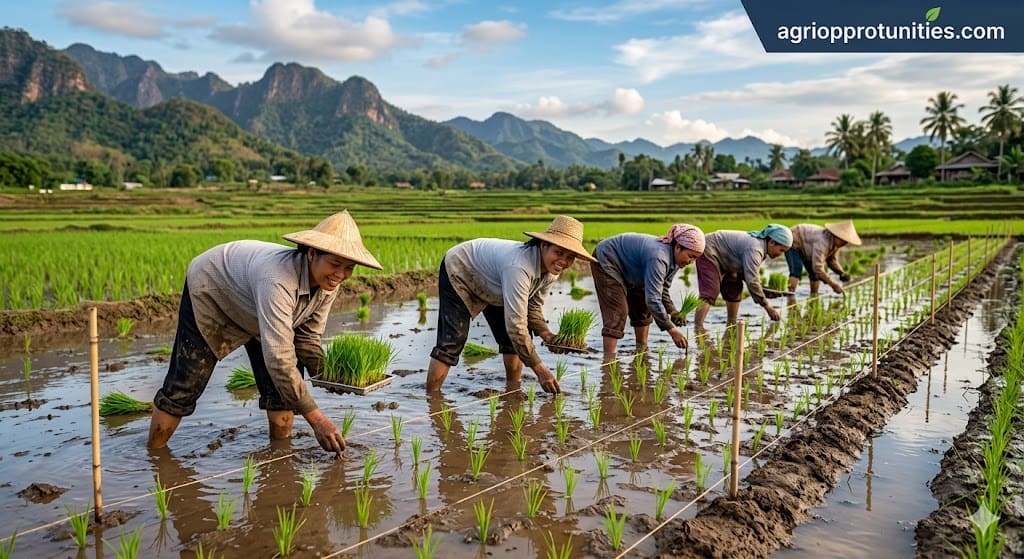
Modern farming methods for rice cultivation, for example, include the System of Rice Intensification (SRI), which involves transplanting younger seedlings at wider spacing, maintaining moist but not flooded soil conditions, and using organic inputs to enhance soil biology. In fact, SRI has increased rice yields by 20 to 50 percent in trials across Asia and Africa, while reducing water use by 25 to 50 percent, a remarkable combination of productivity and sustainability.
2. Strategies for Wheat and Maize
For wheat and maize, high-yield strategies typically involve a combination of improved seed varieties, precision nutrient management, optimized plant populations, and integrated pest management. Moreover, sustainable crop rotation, alternating cereal crops with legumes, for instance, plays a critical role by breaking disease cycles, improving soil structure, and fixing atmospheric nitrogen that benefits the following crop. The benefits of modern farming methods in row-crop agriculture are cumulative: no single practice doubles yields overnight, but the combination of several best practices can lift productivity by 30 to 50 percent over traditional approaches while reducing environmental impact.
Sustainable Modern Agriculture Practices and Agroecology
Productivity alone is not enough. Indeed, the intensification of agriculture over the last half-century has delivered enormous gains in food production, but it has also contributed to soil degradation, water pollution, biodiversity loss, and greenhouse gas emissions. Sustainable modern agriculture practices aim to maintain high productivity while reversing or mitigating these environmental costs.
1. Understanding Agroecology
Agroecology practices represent one of the most holistic approaches to this challenge. Agroecology treats the farm as an ecosystem, emphasizing biodiversity, nutrient cycling, and ecological interactions rather than relying solely on external inputs. For instance, practices associated with agroecology include intercropping (growing two or more crops together to exploit complementary growth patterns), cover cropping (planting non-cash crops to protect and enrich soil between main crop seasons), integrated pest management (using biological controls and habitat management to reduce reliance on synthetic pesticides), and agroforestry (integrating trees into crop and livestock systems).
2. The Importance of Soil Health
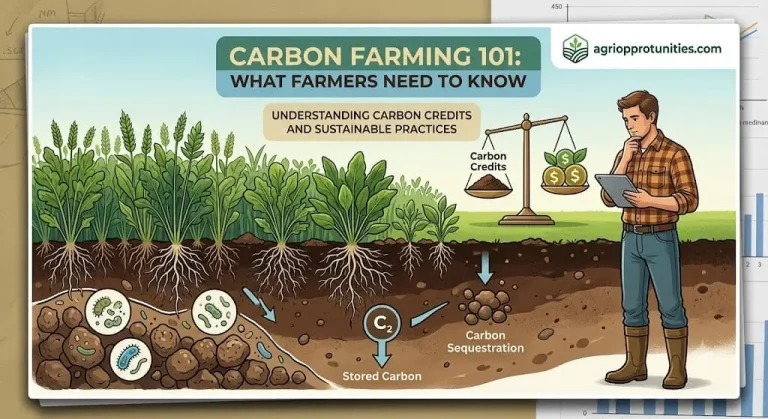
Soil health management stands as a central pillar of sustainable agriculture. Healthy soils are rich in organic matter and microbial life, hold water more effectively, cycle nutrients more efficiently, and sequester carbon from the atmosphere. Therefore, practices that build soil health, minimal tillage, cover cropping, compost application, and diverse rotations, are gaining traction among both conventional and organic farmers as the economic and environmental benefits become clearer. Healthy soil is not just an environmental good; it is a productive asset that directly improves yields and reduces input costs over time.
3. Building Climate Resilience
Climate-resilient farming is another dimension of sustainability that is rapidly gaining attention. As weather patterns become more erratic, farmers need varieties and systems that can withstand drought, heat, flooding, and new pest pressures. Biotechnology in farming contributes drought-tolerant and flood-tolerant crop varieties, while agroecological practices like diversified cropping systems provide a buffer against climate shocks by spreading risk across multiple crops and income streams.
The Organic Farming Innovations
Organic farming has sometimes seemed like a return to pre-industrial methods, but that characterization is increasingly outdated. Organic farming innovations are creating a new generation of practices that combine the ecological principles of organic agriculture with modern technology and research.
1. Biological Pest Control and Seed Breeding
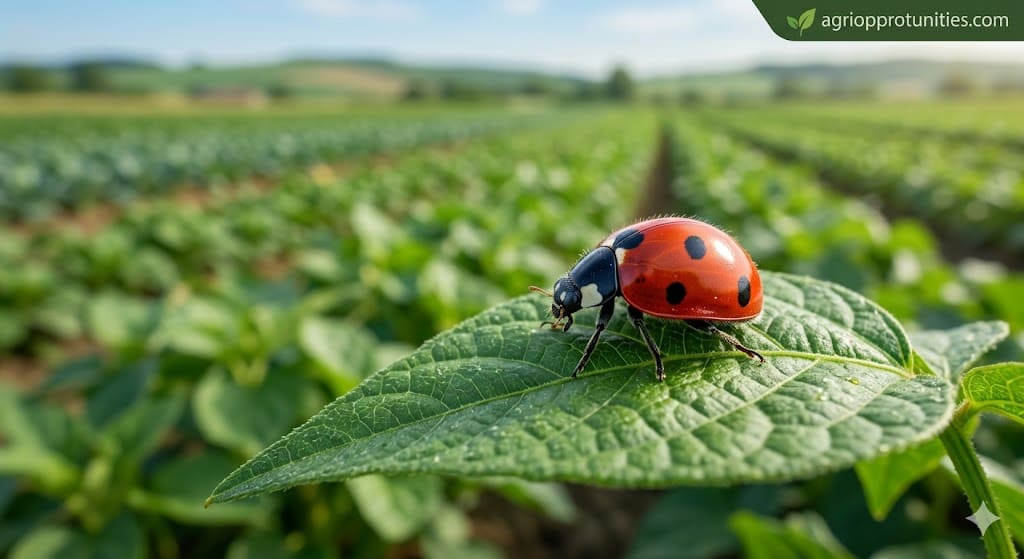
Biological pest control has advanced significantly, with commercial products now available that use predatory insects, microbial pesticides, and pheromone traps to manage pests without synthetic chemicals. Furthermore, organic seed breeding programs are developing varieties specifically adapted to organic production systems, plants that compete more effectively with weeds, partner more productively with soil microbes, and resist diseases without chemical fungicides.
2. Digital Tools for Organic Operations
Digital agriculture tools are just as relevant on organic farms as on conventional ones. Soil sensors, drone-based crop monitoring, and farm management software help organic growers make precise decisions about planting, irrigation, and pest management, the same data-driven approach that defines precision farming, applied within an organic framework. Thus, the result is a form of smart farming that meets organic certification standards while achieving yields and efficiencies that would have seemed impossible for organic production a decade ago.
3. Integrated Farming Systems
One of the most promising, and underappreciated, concepts in modern agriculture is the integrated farming system. Integrated farming systems combine crop production, livestock management, aquaculture, and sometimes agroforestry into a single, synergistic operation where the outputs of one component become the inputs of another.
4. Synergy and Waste Reduction
In a classic integrated system, crop residues feed livestock, livestock manure fertilizes crops, and fish ponds receive nutrient-rich water from animal housing areas. Consequently, the system minimizes waste, reduces the need for purchased inputs, and diversifies the farmer’s income streams, an important form of risk management in an era of volatile commodity prices. Moreover, integrated farming systems are particularly well-suited to smallholder farmers in developing regions, where the cost of external inputs is a significant barrier to productivity.
5. Modern Livestock Integration
Modern livestock management techniques fit naturally within these integrated frameworks. Sensor-based health monitoring, automated feeding systems, genetic improvement programs, and rotational grazing strategies can all combine with crop production to create a more resilient and profitable whole-farm system. Similarly, innovative livestock farming in rural areas often involves exactly this kind of integration, blending traditional knowledge of local breeds and ecosystems with modern tools and data.
AI in Agriculture and the Rise of Smart Farming
Artificial intelligence is no longer a futuristic concept in agriculture, it is a working tool on farms around the world. AI in agriculture takes many forms, from machine learning algorithms that analyze satellite imagery to detect crop diseases, to predictive models that forecast pest outbreaks based on weather data, to natural language interfaces that let farmers query their data in plain English.
1. Defining Smart Farming
Smart farming, a broad term that encompasses the use of information and communication technologies across the farming operation, is increasingly powered by AI. For instance, a smart farming platform might integrate data from soil sensors, weather stations, drones, and satellite imagery, then use AI models to generate actionable recommendations: when to irrigate, when to apply pest control, when to harvest for optimal quality. The farmer remains the decision-maker, but the information available to support those decisions is orders of magnitude richer than it was even five years ago.
2. Farm Management Software as a Hub
Farm management software has become the operational hub of many modern farms. These platforms track everything from input purchases and labor allocation to yield maps and financial performance. Therefore, for business owners and agri-investors, the data generated by farm management software provides transparency and accountability that were previously difficult to achieve, making it easier to evaluate the performance of farming operations and to identify opportunities for improvement.
3. AI-Powered Innovations
Examples of innovative farming techniques powered by AI include automated weed detection systems that use computer vision to distinguish weeds from crops and apply targeted micro-doses of herbicide (or even laser pulses) only where needed, robotic harvesters that use machine learning to assess fruit ripeness and handle delicate produce without bruising, and supply chain optimization tools that match production forecasts with market demand to reduce food waste.
Modern Agriculture Techniques for Small Farms
One of the most common concerns about the technological transformation of agriculture is that it will benefit only large-scale, well-capitalized operations. However, the reality is more encouraging. Modern agriculture techniques for small farms are increasingly accessible, affordable, and impactful.
1. Affordable Technologies for Smallholders
Small-scale drip irrigation systems, for example, can be installed for remarkably low cost and can transform the economics of vegetable production for a smallholder. Additionally, solar-powered irrigation pumps eliminate the recurring fuel costs of diesel alternatives. Moreover, mobile-phone-based farm advisory services deliver weather forecasts, market prices, and agronomic recommendations directly to farmers who may never own a laptop. Likewise, cooperative models allow groups of small farmers to share the cost of drones, soil testing equipment, and mechanized harvesting services.
2. Starting with Fundamentals
Best modern farming practices for beginners often start with the basics: soil testing, improved seed selection, proper plant spacing, and simple water management improvements. Notably, these foundational steps do not require large investments, and they can deliver significant productivity gains on their own. As a small farm operation grows, more advanced tools, precision nutrient management, drone monitoring, farm management software, can be added incrementally. Thus, the key is to start with the practices that offer the highest return on the lowest investment and build from there.
3. Purpose-Built Solutions
Cost-effective modern farming solutions are not just scaled-down versions of big-farm technology. In many cases, small-farm innovations are purpose-built for the constraints and opportunities of smaller operations. For example, walk-behind power tillers, small-scale multi-crop threshers, low-cost greenhouse structures, and micro-dosing fertilizer techniques are all examples of innovations designed specifically for small and medium farms.
Modern Agriculture Techniques in Asia
Asia offers one of the most instructive case studies in the adoption of modern agricultural techniques. With more than 140 million farming households, a huge diversity of crops and climates, and persistent challenges related to water scarcity, land fragmentation, and market access, Asia is both a testing ground and a bellwether for agricultural innovation in the developing world.
1. Adoption and Government Initiatives
Modern agriculture techniques in Asia are gaining adoption across the spectrum. For instance, precision farming pilot projects in states like Karnataka and Tamil Nadu demonstrate the value of soil-based nutrient management and drip irrigation for high-value crops. Additionally, the Asian government’s push for micro-irrigation has subsidized the installation of millions of hectares of drip and sprinkler systems, with measurable improvements in water use efficiency and crop yields. Furthermore, mobile-based advisory platforms like the Asian Council of Agricultural Research’s (ICAR) various apps deliver localized agronomic recommendations to millions of farmers.
2. Unique Challenges in the Asian Context
At the same time, Asia illustrates the challenges of scaling modern techniques across a highly diverse agricultural landscape. The average farm size is barely over one hectare, making it difficult to justify the cost of large machinery. Moreover, infrastructure gaps, unreliable electricity, poor rural roads, limited cold chain capacity, constrain the adoption of technologies that depend on connectivity and logistics. Finally, the sheer diversity of Asia’s farming systems, from irrigated rice paddies in the east to dryland millet cultivation in the west, from Himalayan apple orchards to tropical spice plantations in Kerala, means that no single set of modern techniques can be universally applied. Therefore, solutions must be tailored to local conditions, and the most successful innovations in Asian agriculture tend to be those that combine modern science with an understanding of local farming traditions and constraints.
Benefits of Modern Farming Methods
By now, the benefits of modern farming methods should be coming into focus, but it is worth summarizing them explicitly.
- Productivity gains are the most direct benefit. Modern crop cultivation techniques, improved varieties, precision inputs, better water management, mechanization, consistently deliver higher yields per hectare than traditional approaches. In many cases, these gains are achieved with lower total input use, which means higher profitability for the farmer.
- Resource efficiency is a second major benefit. Precision farming reduces waste, less fertilizer running off into rivers, less water lost to evaporation, less pesticide applied where it is not needed. Thus, this efficiency benefits the farmer’s bottom line and the environment.
- Labor savings matter enormously, especially in regions facing rural-to-urban migration and aging farm populations. Mechanized agriculture methods and automated farm equipment allow fewer workers to manage larger areas, and they reduce the physical toll of farming, a quality-of-life improvement that is easy to overlook but genuinely important.
- Risk reduction is an underappreciated benefit. Diversified integrated farming systems spread income across multiple products. Climate-resilient farming varieties buffer against weather extremes. Digital agriculture tools provide early warning of pest outbreaks or market price shifts. Together, these innovations reduce the vulnerability that has historically made farming one of the riskiest occupations on earth.
- Environmental sustainability is both a benefit and an obligation. Sustainable modern agriculture practices, soil health management, sustainable crop rotation, agroecology practices, and reduced chemical dependency, help preserve the natural resource base on which all future farming depends. Moreover, for consumers and regulators increasingly concerned about the environmental footprint of their food, sustainable practices also open doors to premium markets and certification programs that reward responsible production.
The Business Case: Why Agri-Investors Are Paying Attention
The convergence of technology, sustainability, and growing global food demand is creating a compelling investment landscape. For business owners and agri-investors, several trends are worth watching.
1. Precision Agriculture Market Growth
The global precision agriculture market is projected to grow significantly over the coming decade, driven by adoption of GPS-guided equipment, drone services, sensor networks, and data analytics platforms. Consequently, companies that provide these tools, whether as hardware manufacturers, software developers, or service providers, are attracting substantial venture capital and private equity investment.
2. Controlled-Environment Agriculture
Vertical farming and controlled-environment agriculture have drawn billions in investment, though the sector has also experienced high-profile failures that underscore the importance of disciplined unit economics. Nevertheless, the most successful ventures tend to focus on high-value crops, strategic locations close to dense urban markets, and operational efficiency rather than pure scale.
3. Biotechnology Opportunities
Biotechnology in farming remains one of the highest-growth sectors, with gene-editing technologies opening new frontiers in crop improvement at a fraction of the time and cost of traditional breeding. Therefore, companies developing climate-resilient varieties, nitrogen-fixing biologicals, and biopesticides are well-positioned as the industry shifts toward more sustainable input packages.
4. Digital Agriculture Platforms
Farm management software and digital agriculture platforms represent a rapidly expanding market, particularly as more farms digitize their operations and generate data that can be monetized through advisory services, insurance products, and supply chain optimization.
5. Investor Due Diligence
For investors evaluating opportunities, the key question is always the same: does this technology solve a real problem for real farmers at a price they can afford, or does it solve a problem that exists mainly in a pitch deck? Ultimately, the most durable agricultural businesses tend to be those that deliver measurable economic value to the farmer, higher yields, lower costs, reduced risk, rather than those that depend on subsidies, hype, or speculative demand.
Challenges and Honest Realities
No honest guide to modern agriculture techniques would be complete without acknowledging the challenges. Technology adoption in agriculture is uneven, and the reasons are not always about money.
| Challenge | Description |
|---|---|
| Digital Literacy | A barrier in many farming communities, particularly among older farmers and in regions with limited access to education and training. |
| Connectivity | A prerequisite for many digital agriculture tools; rural internet access remains poor in large parts of the world. |
| Cost | The upfront investment in precision equipment, irrigation infrastructure, or controlled-environment growing systems can be prohibitive without access to credit. |
| Regulatory Hurdles | Biotechnology in farming faces different regulatory frameworks in different countries, adding complexity and cost. |
| Knowledge Transfer | Bridging the gap between what is possible in a research station and what farmers practice on a working farm remains a significant challenge. |
Getting Started: Best Modern Farming Practices for Beginners
If you are new to modern farming or looking to upgrade an existing operation, the sheer number of options can be overwhelming. However, here is a practical starting framework.
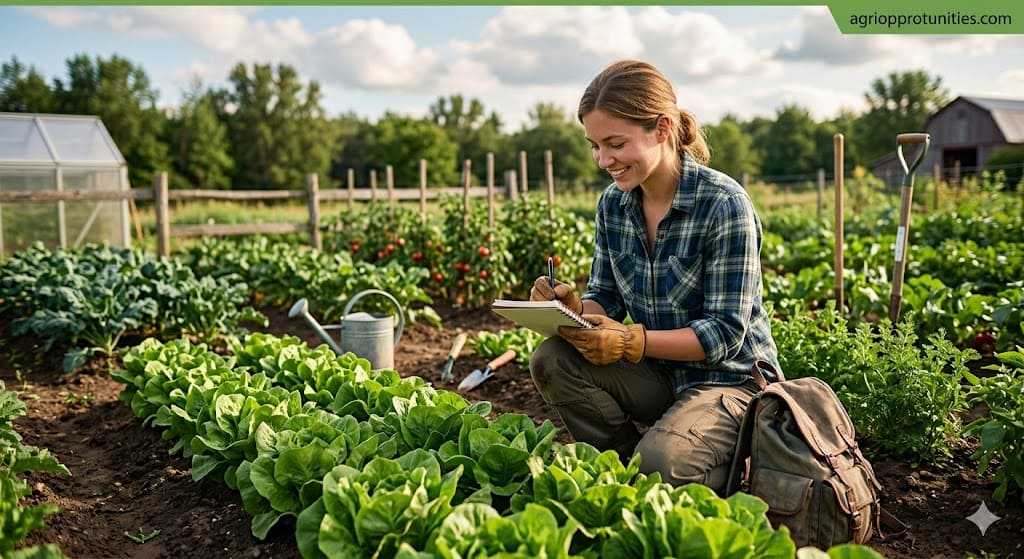
- Begin with soil. Invest in a comprehensive soil test and understand what your land needs. Soil health management is the foundation on which every other modern technique builds. If your soil is depleted, no amount of precision technology will compensate.
- Fix your water. Evaluate your irrigation system and look for opportunities to improve efficiency. For example, even a simple upgrade from flood to furrow irrigation, or the installation of a basic drip irrigation system, can dramatically reduce water use and improve yields. Modern irrigation techniques explained in practical terms often start with this single step.
- Choose the right seeds. Access to improved, locally adapted seed varieties is one of the highest-return investments a farmer can make. Therefore, look for varieties that have been tested in your region and that match your market, there is no point growing a high-yielding variety if the market for that variety is weak.
- Start measuring. Even basic record-keeping, tracking inputs, costs, yields, and revenues by field and by season, creates a foundation for data-driven decisions. As your data grows, you can begin using farm management software to analyze trends and identify opportunities.
- Learn continuously. Join farmer networks, attend field days, subscribe to agricultural extension publications, and experiment on small plots before scaling new practices across your operation. Ultimately, the most successful modern farmers are relentless learners
The Road Ahead
The trajectory of innovative agricultural technologies points toward farming systems that are more precise, more automated, more sustainable, and more connected than anything we have seen before. Specifically, the integration of AI in agriculture will deepen, making decision-support tools more powerful and more accessible. Additionally, robotics will continue to replace manual labor for tasks that are repetitive, dangerous, or physically demanding. Moreover, biological innovations will offer new ways to protect crops, enhance nutrition, and reduce agriculture’s environmental footprint. Finally, as digital agriculture tools mature, the data generated on farms will become an increasingly valuable asset, for the farmers who own it and for the broader food system that depends on it.
But technology alone will not feed the world. Indeed, the human dimensions of agriculture — knowledge, policy, markets, culture, and community, will remain just as important as the technical ones. Therefore, the most effective modern agriculture techniques will be those that combine cutting-edge science with respect for local conditions, farmer agency, and the long-term health of the ecosystems that sustain us all.
Whether you are a farmer standing in your field, a student in a lecture hall, an investor reviewing a business plan, or simply someone who cares about where your food comes from, the transformation of agriculture is one of the most important stories of our time. Thus, understanding it, and participating in it, is not just an opportunity. It is a responsibility.
Useful Links
- https://www.usda.gov/topics/farming/precision-agriculture
- https://www.fao.org/sustainable-agriculture/en/
- https://www.nasa.gov/aeroponics
Add Agri Opportunities as a preferred source on Google to see our latest blogs first.