Agriculture vs Horticulture: What’s the Difference and Why It Matters

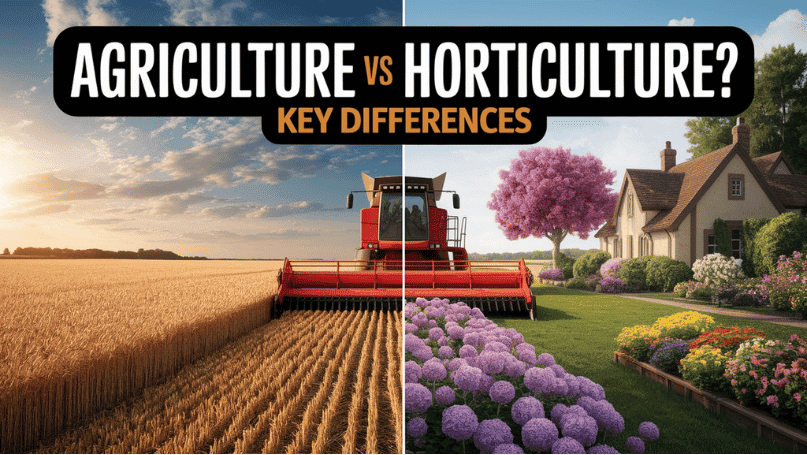
Many people wonder about the difference between agriculture and horticulture. While both involve growing plants, they serve distinct purposes. Agriculture focuses on large-scale crop production and livestock, whereas horticulture specializes in fruits, vegetables, flowers, and ornamental plants. Understanding these differences helps farmers, gardeners, and anyone interested in farming make informed decisions.
In this article, we explore definitions, types, examples, benefits, modern techniques, sustainability practices, and market trends for both agriculture and horticulture. By the end, you will have a full understanding of both systems and how they complement each other.
What Is Agriculture?
Agriculture is the practice of cultivating soil, growing crops, and raising animals on a large scale for food, fiber, and other essential resources. Moreover, it forms the backbone of global economies and supports millions of livelihoods, from farmers to suppliers, traders, and industry workers.
Historically, agriculture evolved from subsistence farming to modern, technology-driven operations. As a result, humans have been able to feed growing populations, develop trade networks, and support industrialization. In addition, agricultural methods vary depending on climate, soil type, water availability, and regional practices.
Key Components of Agriculture
Agriculture consists of several components that highlight its complexity and global impact.
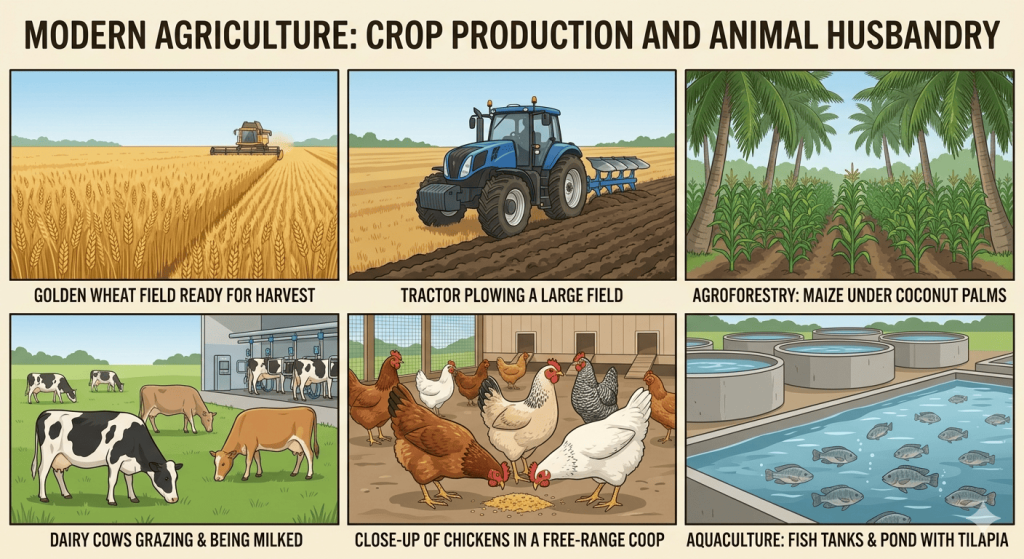
Crop Production
Crop production involves growing plants for food, fiber, or industrial purposes. For instance, cereals like wheat, rice, and maize are staple foods worldwide, whereas cotton and sugarcane supply raw materials for industries.
Farmers employ various methods depending on the crop:
- Traditional plowing and sowing: Common for grains and cereals.
- Irrigation systems: Crucial in areas with low rainfall.
- Fertilization: Both organic and chemical fertilizers improve soil fertility and yield.
Furthermore, modern technology such as GPS-guided tractors, drones, and automated irrigation helps optimize crop production while reducing waste and labor costs.
Animal Husbandry
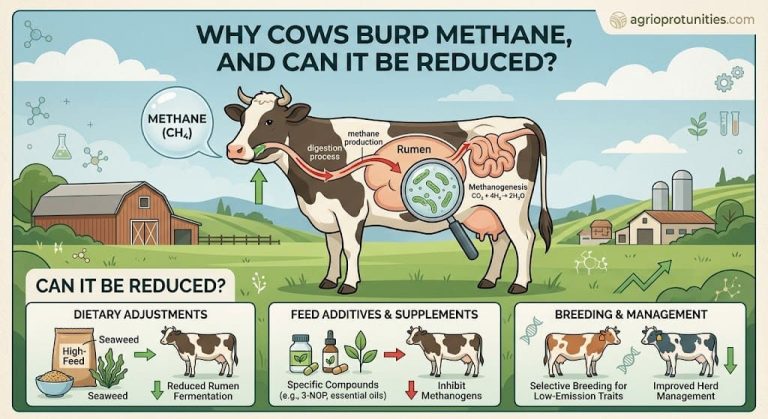
Animal husbandry involves raising animals for food, labor, and other products. For example, cows provide milk and meat, chickens supply eggs, and sheep produce wool.
Key practices include:
- Balanced feeding and nutrition management
- Disease prevention and vaccinations
- Selective breeding for improved productivity
Additionally, livestock complements crop farming because manure enriches soil while crop residues feed animals.
Agroforestry
Agroforestry integrates trees and crops on the same land. This method improves soil fertility, prevents erosion, and provides additional income through timber, fruits, or nuts.
Examples include:
- Growing maize under coconut palms
- Planting fruit trees alongside cereal crops
Moreover, agroforestry promotes biodiversity and ecological stability.
Aquaculture
Aquaculture, or fish farming, has become a growing branch of agriculture. For instance, tilapia, shrimp, and salmon are cultivated in controlled environments to supplement food supply.
Essential practices include:
- Monitoring water quality and nutrition
- Preventing disease outbreaks
- Ensuring sustainable harvests
In addition, aquaculture reduces pressure on wild fish populations and enhances local food security.
Real-World Examples of Agriculture
- Global Examples:
- Wheat fields in Kansas, USA, supply grain worldwide.
- Rice terraces in the Philippines and China showcase traditional farming methods.
- Dairy farms in New Zealand utilize advanced animal husbandry techniques.
- Local Examples:
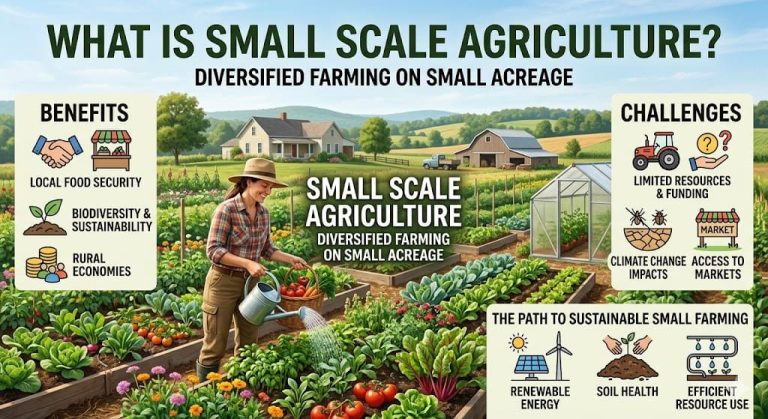
- Small family farms producing vegetables and grains for local markets.
- Cooperative farms combining efforts for efficiency.
Furthermore, agricultural practices vary by region: tropical areas grow bananas and sugarcane, whereas temperate regions cultivate wheat, barley, and potatoes.
Modern Innovations in Agriculture
Agriculture has transformed significantly with technology.
- Precision Farming: Uses GPS and drones to monitor soil, optimize planting, and improve efficiency.
- Automated Irrigation: Reduces labor and conserves water through sensors and timers.
- Biotechnology: Develops pest-resistant and high-yield crop varieties, ensuring food security.
Consequently, farmers can produce more food on less land, reduce costs, and improve sustainability.
Benefits of Agriculture
- Food Security: Provides staple foods globally.
- Economic Growth: Contributes significantly to GDP.
- Employment: Millions of jobs in farming, supply chains, and industry.
- Raw Materials: Supplies textiles, paper, and industrial crops.
Moreover, agriculture preserves cultural practices and traditions across communities.
Challenges in Agriculture
- Climate Change: Extreme weather can reduce yields.
- Soil Degradation: Intensive farming and chemicals may harm fertility.
- Water Scarcity: Irrigation may be limited or costly.
- Market Fluctuations: Prices of crops and livestock are volatile.
Therefore, sustainable practices are increasingly necessary for long-term success.
What Is Horticulture?
Horticulture is a specialized branch of agriculture that focuses on fruits, vegetables, flowers, and ornamental or medicinal plants. It often requires more intensive care and attention to soil, water, and nutrients.
Unlike large-scale agriculture, horticulture emphasizes quality over quantity. For example, an apple orchard may require daily care, pruning, fertilizing, and pest control. In addition, horticulture supports local food security and generates higher revenue per hectare compared to conventional staple crops.
Scope of Horticulture
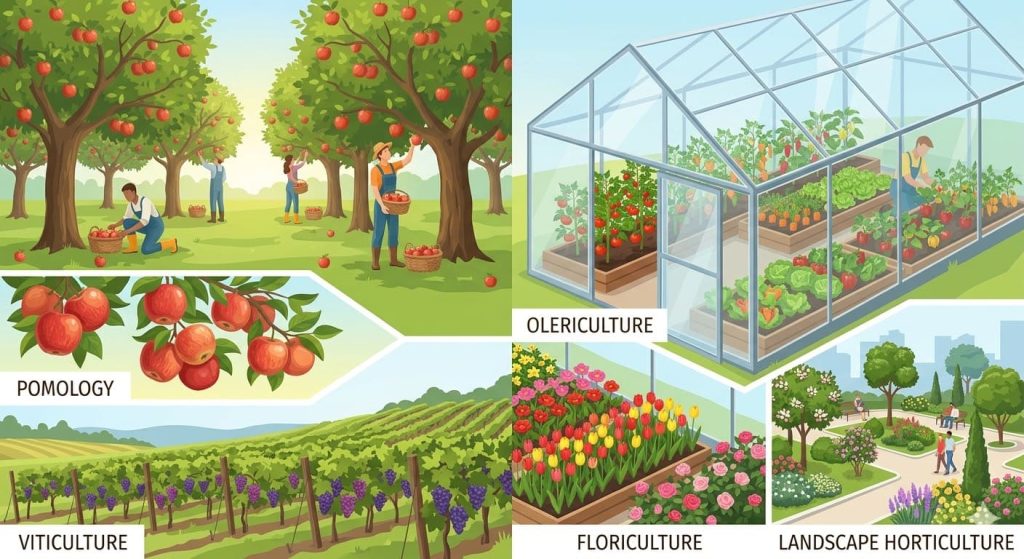
Horticulture consists of several subfields:
1. Pomology
Pomology involves fruit cultivation. Common crops include apples, grapes, citrus, and mangos. Careful management ensures high-quality fruits, better taste, and longer shelf life.
2. Olericulture
Olericulture focuses on vegetables such as tomatoes, lettuce, peppers, and carrots. Moreover, nutrient-rich soil and precise irrigation improve yield and crop quality.
3. Floriculture
Floriculture deals with ornamental plants and flowers. Roses, tulips, and marigolds are widely cultivated. In addition, greenhouses allow control over climate conditions, ensuring optimal growth.
4. Landscape Horticulture
Landscape horticulture includes urban gardens, parks, and green spaces. Beyond aesthetics, it improves air quality, enhances biodiversity, and provides recreational areas for communities.
6. Viticulture
Viticulture specializes in grape cultivation for wine production. Success depends on soil, climate, and careful management. Consequently, high-quality wine production requires expertise and precision.
Real-World Examples of Horticulture
- Commercial Examples:
- Greenhouse-grown tomatoes in the Netherlands
- Apple orchards in Washington State, USA
- Rose farms in Colombia supplying the global flower market
- Local Examples:
- Urban backyard vegetable gardens
- Community flower beds in parks
Moreover, horticulture promotes crop diversity and complements traditional agriculture, boosting both income and sustainability.
Benefits of Horticulture
- High-Value Crops: Greater profits per hectare than standard agriculture.
- Nutritional Value: Provides fresh fruits and vegetables.
- Aesthetic and Environmental Benefits: Improves gardens, parks, and urban areas.
- Sustainability: Often uses organic methods and efficient water management.
Furthermore, horticulture helps diversify farm income and encourages environmentally friendly practices.
Challenges in Horticulture
- Labor-intensive care and maintenance
- Higher initial investment for greenhouses and irrigation
- Vulnerability to pests and diseases
- Dependence on niche market demand
Therefore, careful planning and market research are crucial before starting a horticultural venture.
Agriculture vs Horticulture – Key Differences
| Feature | Agriculture | Horticulture |
|---|---|---|
| Scale | Large-scale | Small to medium-scale |
| Purpose | Food and raw materials | High-value crops, aesthetics, nutrition |
| Crops | Cereals, grains, livestock | Fruits, vegetables, flowers, medicinal plants |
| Techniques | Plowing, sowing, irrigation | Pruning, grafting, greenhouse use, careful cultivation |
| Soil & Water Needs | Less specialized | Fertile soil, precise irrigation |
| Market Value | Moderate | High |
For example, a wheat field demonstrates traditional agriculture, while a greenhouse of tomatoes represents horticulture.
Additional Comparisons
1. Environmental Impact
Horticulture generally requires fewer chemicals per area, though it may use more water-intensive methods. In contrast, large-scale agriculture can impact soil and water resources if not managed sustainably.
2. Economic Considerations
Horticulture provides higher income per hectare, but agriculture ensures stable food supply. Moreover, combining both approaches can optimize profits and reduce risk.
Types of Agriculture and Horticulture
1. Types of Agriculture
- Subsistence Farming: Produces food for family consumption; surplus may be sold locally.
- Commercial Farming: Crops produced mainly for sale; uses modern machinery and large fields.
- Mixed Farming: Combines crops with livestock for diversified income.
- Organic Farming: Avoids chemicals; emphasizes sustainability.
- Agroforestry: Integrates trees with crops or livestock for soil health and additional income.
2. Types of Horticulture
- Pomology: Fruit cultivation
- Olericulture: Vegetable cultivation
- Floriculture: Flowers and ornamental plants
- Landscape Horticulture: Urban gardens, parks, and green spaces
- Viticulture: Grapes for wine production
Role of Horticulture in Agriculture
Horticulture complements agriculture by diversifying crops, increasing income, and promoting sustainability. For instance, a wheat farm can also grow tomatoes and lettuce in greenhouses, boosting both revenue and food diversity. In addition, horticulture contributes fresh, nutrient-rich produce to local communities.
Modern Innovations in Agriculture and Horticulture
- Precision Farming: GPS and drones optimize planting and irrigation.
- Automated Irrigation: Sensors reduce water waste and labor.
- Biotechnology: Develops pest-resistant, high-yield crops.
- Vertical and Urban Farming: Maximizes space in urban areas; reduces transportation costs.
Moreover, these innovations enhance productivity, sustainability, and profitability.
Sustainability in Agriculture and Horticulture
1. Soil and Water Management
Crop rotation, cover crops, and drip irrigation maintain soil health and conserve water.
2. Organic Practices
Compost, natural fertilizers, and biological pest control reduce chemical impact.
3. Biodiversity
Agroforestry and polyculture improve biodiversity, reduce pests, and maintain ecological balance.
Market Trends and Profitability
Agriculture Markets
Staple crops dominate global trade, but prices fluctuate with climate and demand.
Horticulture Markets
High-value crops like fruits, vegetables, and flowers often yield greater profits but require careful market research.
Furthermore, global demand for fresh, organic produce is increasing.
Agriculture vs Horticulture – Benefits Comparison
| Benefit | Agriculture | Horticulture |
|---|---|---|
| Food Security | Ensures staple crop supply | Supplements with fruits & veggies |
| Income | Moderate and stable | Higher per hectare |
| Employment | Large labor force | Intensive, smaller workforce |
| Environmental Impact | Can harm soil/water if mismanaged | Often sustainable, high-value crops |
| Market Flexibility | Less flexible, staple markets | High-value niche markets |
Therefore, combining both approaches balances risk, increases income, and promotes sustainability.
Frequently Asked Questions
Q1: Can horticulture be part of agriculture?
Yes, horticulture is a specialized branch of agriculture.
Q2: Which is more profitable?
Horticulture usually offers higher returns per hectare.
Q3: Does agriculture require more land?
Yes, agriculture is typically large-scale, while horticulture succeeds on smaller plots.
Q4: How does sustainability differ?
Agriculture emphasizes crop rotation and reduced chemical use; horticulture uses organic fertilizers, greenhouse methods, and efficient irrigation.
Q5: Which is better for beginners?
Small landholders may prefer horticulture; large landowners often rely on agriculture.
Conclusion
Agriculture provides staple foods and raw materials, supporting global populations. Horticulture focuses on high-value crops, nutrition, and aesthetics. By understanding their differences, farmers, gardeners, and policymakers can maximize productivity, sustainability, and profitability. Ultimately, combining agriculture and horticulture creates diversified crops, resilient farms, and long-term food security.
Overall, combining the strengths of both systems creates a resilient and profitable approach to farming.
Add Agri Opportunities as a preferred source on Google to see our latest blogs first.