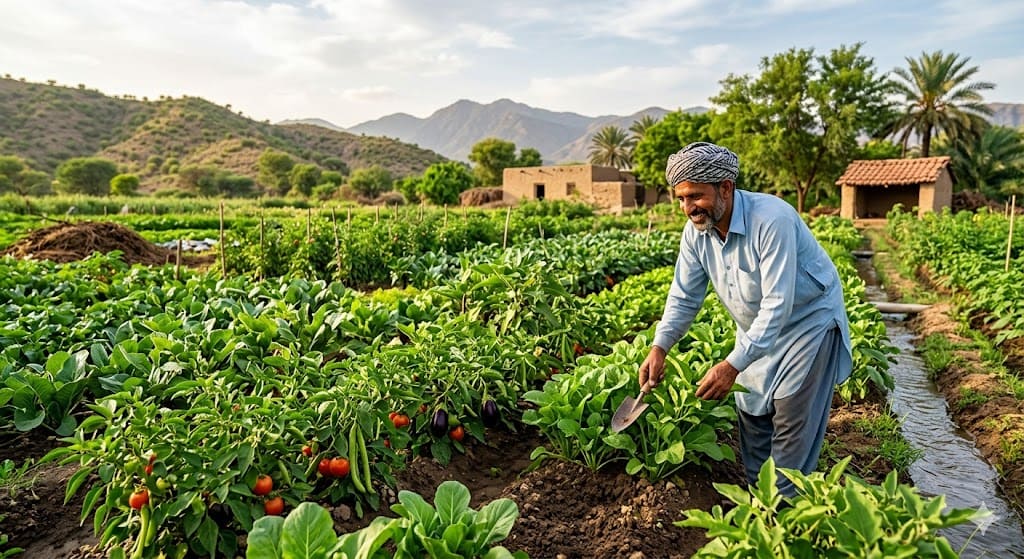
Organic Agriculture in Pakistan – Sustainable Agriculture Pakistan

Discover everything about organic farming in Pakistan: proven methods, real benefits, certification process, regional opportunities, and how to start your own organic farm today.
What Is Organic Agriculture in Pakistan?
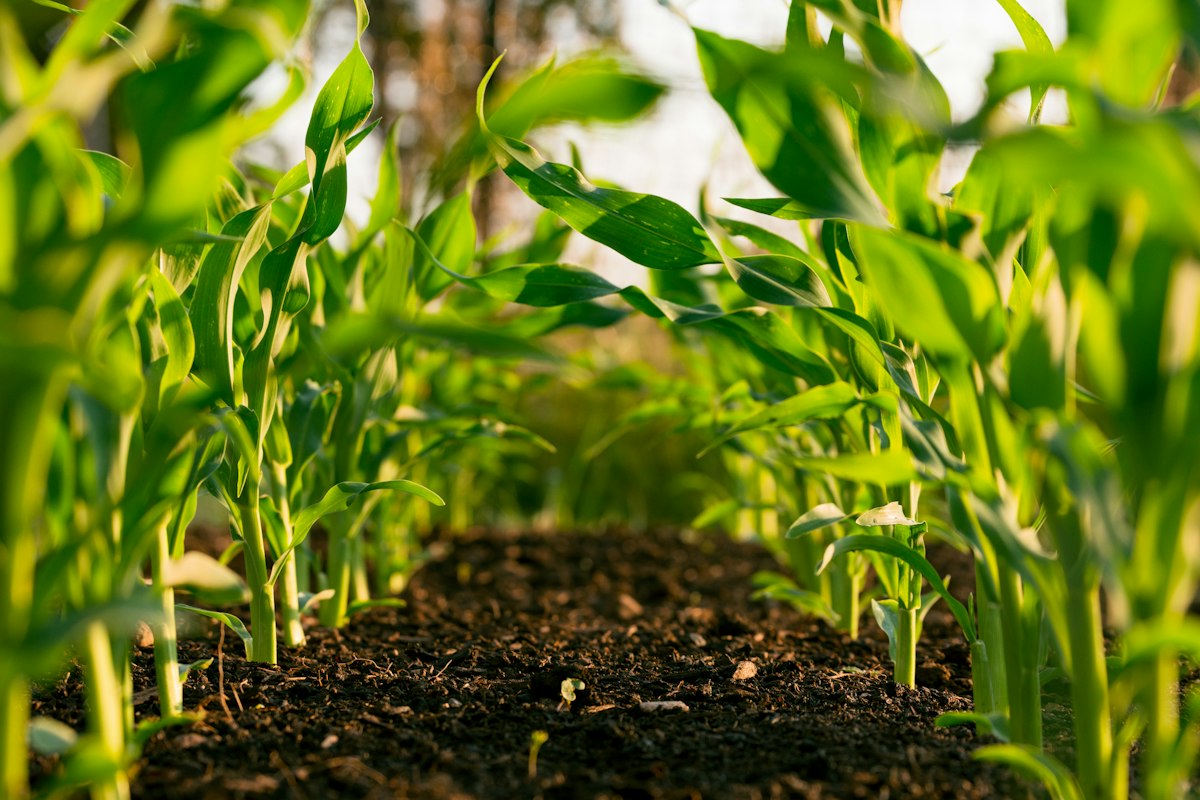
Organic agriculture in Pakistan is a farming approach that relies on natural processes, biological inputs, and environmentally conscious practices instead of synthetic chemicals and genetically modified organisms. At its core, organic farming in Pakistan means working with nature rather than against it — rebuilding soil life, conserving water, and producing food that is free from harmful residues.
Pakistan’s agricultural sector employs nearly 40% of the country’s workforce and contributes significantly to GDP. Yet decades of heavy chemical use have taken a toll on soil health, water quality, and biodiversity. Pakistan organic farming offers a path forward — one that restores ecosystems, protects farmer health, and taps into rapidly growing local and international demand for clean food.
Why Organic Agriculture Matters in Pakistan
Why is organic farming important in Pakistan? The answer lies in several urgent realities facing the country today. Soil degradation is a serious national concern. Decades of conventional farming dependent on chemical fertilizers and pesticides have stripped soils of their natural fertility. Soil health improvement is no longer optional — it is a survival issue for millions of farmers.
Water scarcity is worsening. Pakistan is already considered a water-stressed country. Water conservation farming methods practiced under organic systems — such as mulching, composting, and cover cropping — directly address this crisis. Additionally, climate smart agriculture — which organic farming strongly supports — builds resilience against erratic rains, extreme heat, and unpredictable growing seasons.
Organic Farming Methods in Pakistan
Organic farming methods in Pakistan are diverse and adapted to local climates, soil types, and crop requirements. Here are the core practices that define organic crop production Pakistan.
🌱 Compost Farming
Turning organic waste into rich, biologically active fertilizer. Compost improves soil structure, water retention, and nutrient availability.
🦠 Bio Fertilizers
Living microorganisms that enhance nutrient availability naturally. Increasingly produced locally as a cost-effective alternative to synthetic products.
🔄 Crop Rotation
Rotating crops across seasons prevents nutrient depletion and breaks pest cycles. One of the simplest organic farming techniques suitable for Pakistan climate.
🌿 Natural Pest Control
Neem-based sprays, beneficial insects, intercropping, and biological control agents keep crops healthy without synthetic pesticides.
💧 Water Conservation
Drip irrigation and organic farming together minimize water waste. Mulching with straw or dry leaves conserves soil moisture.
♻️ Regenerative Agriculture
No-till farming, biodiversity restoration, and building water retention landscapes to restore degraded land.

Organic Agriculture by Region
🌾 Organic Farming in Punjab Pakistan
The most advanced region for organic wheat farming Pakistan and organic cotton farming Pakistan. Cooperatives in Sahiwal, Faisalabad, and Gujranwala are thriving. Organic vegetables Pakistan production is growing rapidly near Lahore and Multan.
🍚 Organic Agriculture in Sindh
Organic rice farming Pakistan (Basmati) is significant here, along with organic fruit farming Pakistan including mangoes, dates, and guavas. Sindh’s mango belt produces some of Asia’s finest organic fruit.
🏔️ Organic Farming in KPK
Benefits from cooler climate and traditional natural farming methods in Pakistan. Many small-scale farmers have never used synthetic chemicals, making certification easier. Herbal and medicinal plant cultivation is a major opportunity.
🍎 Organic Agriculture in Balochistan
Apples, apricots, pomegranates, cherries, and almonds — much already chemical-free due to remoteness. Organic fruit farming Pakistan in Balochistan could generate significant export revenue.
Benefits of Organic Farming in Pakistan
🌍 Environmental Benefits
Improved soil health, reduced water pollution, enhanced farm biodiversity, carbon sequestration, and lower greenhouse gas emissions.
👨🌾 Health Benefits
Pesticide free farming protects farmers from toxic exposure. Consumers avoid pesticide residues linked to cancer and hormone disruption.
💰 Economic Benefits
How profitable is organic farming in Pakistan? Farmers earn 20-100% price premiums while reducing input costs by eliminating synthetic fertilizers and pesticides.
🏘️ Social Benefits
Stronger rural communities, greater farmer self-reliance, collective bargaining power through cooperatives, and shorter food supply chains.
Challenges of Organic Farming in Pakistan
📋 Lack of Organic Certification Access
Organic certification in Pakistan remains expensive and logistically complex for small farmers, putting international markets out of reach.
📚 Knowledge and Awareness Gaps
Many farmers lack training in organic crop management Pakistan. Extension services need dramatic scaling.
🏪 Market Infrastructure
Few reliable local organic markets, cold chains, grading systems, or transparent labeling exist for organic vegetables Pakistan.
📉 Yield Anxiety During Transition
Fear of yield loss during the 2-3 year transition period is common, though research shows yields stabilize and often exceed conventional levels.
📦 Input Availability
Distribution networks for natural fertilizers, bio fertilizers, and organic seeds are uneven, especially in remote areas.
Organic Certification in Pakistan: How It Works
Organic certification in Pakistan is the process by which a farm is verified to meet established organic standards. Farmers must practice organic methods for a transition period (typically 24-36 months), keeping detailed records. An accredited certification body then inspects the farm, and if standards are met, a certificate is issued.
For small farmers, Participatory Guarantee Systems (PGS) offer a lower-cost alternative involving peer verification among farmers within a local network. India has developed one of the largest PGS systems in the world, and Pakistan has begun exploring similar models.
| Certification Type | Cost Level | Market Access | Best For |
|---|---|---|---|
| International (EU Organic, USDA NOP) | High | Global export markets | Large exporters |
| Domestic Certification | Medium | Local premium markets | Medium farms |
| Participatory Guarantee System (PGS) | Low | Local and regional | Small farmers, cooperatives |
How to Start Organic Farming in Pakistan
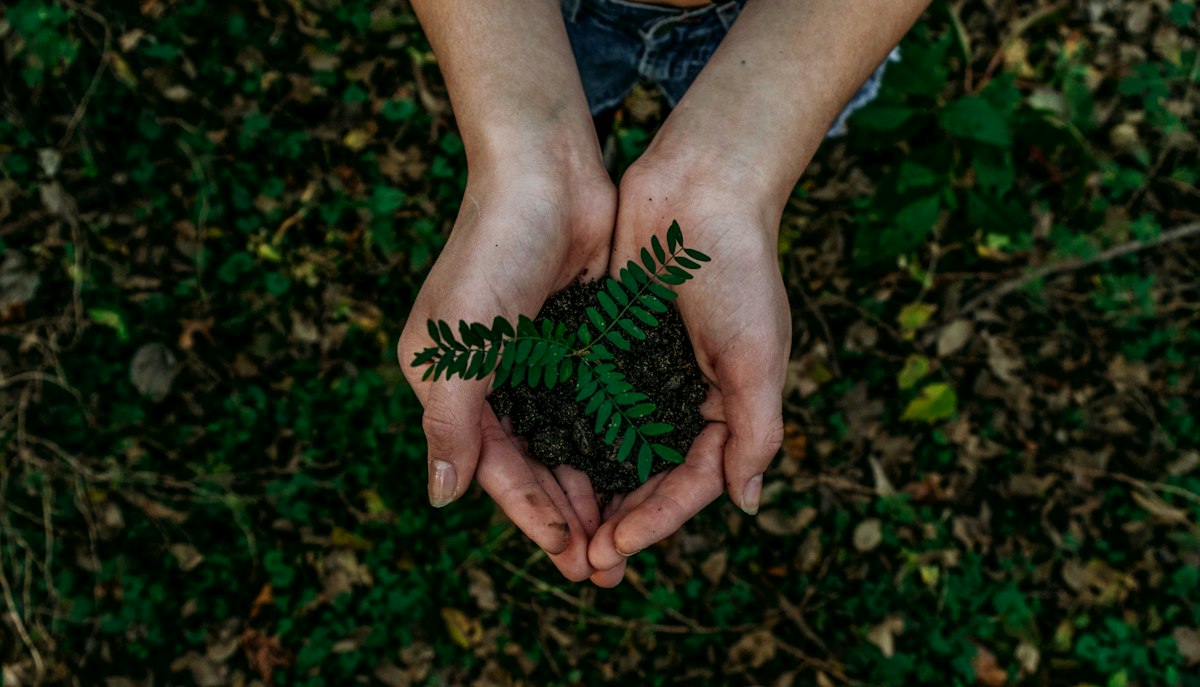
How to start organic farming in Pakistan is one of the most common questions. Here is your step-by-step beginner guide to organic farming in Pakistan.
- Assess Your Land – Get a soil test to understand pH, organic matter, and nutrient levels.
- Learn the Basics – Attend farmer field schools, watch Urdu video tutorials, and connect with other organic farmers.
- Start With Compost – Begin compost making for organic farming immediately using crop residues and animal manure.
- Choose the Right Crops – Best organic crops to grow in Pakistan include vegetables, mangoes, wheat, rice, cotton, and herbs.
- Build Natural Fertility – Replace synthetic fertilizers with compost, bio fertilizers, green manures, and crop rotation.
- Manage Pests Naturally – Use neem sprays, beneficial insects, and crop diversity for pesticide free farming.
- Connect With Markets – Identify buyers before harvest. Research local organic markets, restaurants, and export companies.
- Pursue Certification – Begin the organic certification in Pakistan process and keep detailed farm records.
Best Organic Crops to Grow in Pakistan
🍚 Organic Basmati Rice
Globally recognized premium product with strong export demand from Sindh and Punjab.
🌿 Organic Cotton
Growing international demand for sustainable textiles. Premium prices for certified organic cotton.
🥭 Organic Mangoes
Sindh’s mango belt produces Asia’s finest fruit. Strong export potential to Middle East and Europe.
🌾 Organic Wheat
Heritage and specialty varieties for artisan bakers and domestic health food markets.
🍎 Organic Fruits
Pomegranates, apricots, cherries, citrus, and apples from Balochistan and KPK.
🥬 Organic Vegetables
Tomatoes, spinach, bitter gourd, onions for rapidly growing urban demand.
Organic Farming Business Ideas in Pakistan
For entrepreneurs and investors, organic agriculture opportunities in Pakistan are substantial. Here are the most promising organic farming business ideas in Pakistan:
- Certified Organic Farm – Produce vegetables, fruits, or grains for premium domestic and export markets.
- Organic Input Supply – Produce and supply compost, bio fertilizers, organic seeds, and natural pest control products.
- Organic Processing and Export – Add value through cleaning, grading, packaging, and export logistics.
- Organic Food Brand – Build a consumer brand selling through retail, e-commerce, and restaurant supply.
- Organic Certification Consultancy – Help farmers navigate certification and maintain required records.
- Agri-Tourism – Develop organic farm stays and tours combining education, leisure, and direct sales.
- Training and Education – Develop practical training programs in Urdu and regional languages.
The Future of Organic Agriculture in Pakistan
Is organic farming growing in Pakistan? Yes, clearly and measurably. The organic agriculture industry Pakistan is at an early but accelerating stage of development. Domestic demand is rising — a growing urban middle class, increased health awareness, and food safety concerns are pushing consumers toward organic options. Local organic markets are emerging in major cities, and organic food delivery services are gaining subscribers.
Export opportunities are enormous. The global organic food market is worth hundreds of billions of dollars and growing at 10% or more annually. Pakistan — with its diverse agricultural zones, existing organic knowledge traditions, and large farming workforce — is positioned to capture a meaningful share.
External Resources & Further Reading
This content is intended for informational purposes. For specific advice on organic certification standards, crop management, or business planning, consult with qualified agricultural extension officers or certified organic farming advisors in your province.
Add Agri Opportunities as a preferred source on Google to see latest blog listings first.
One Comment